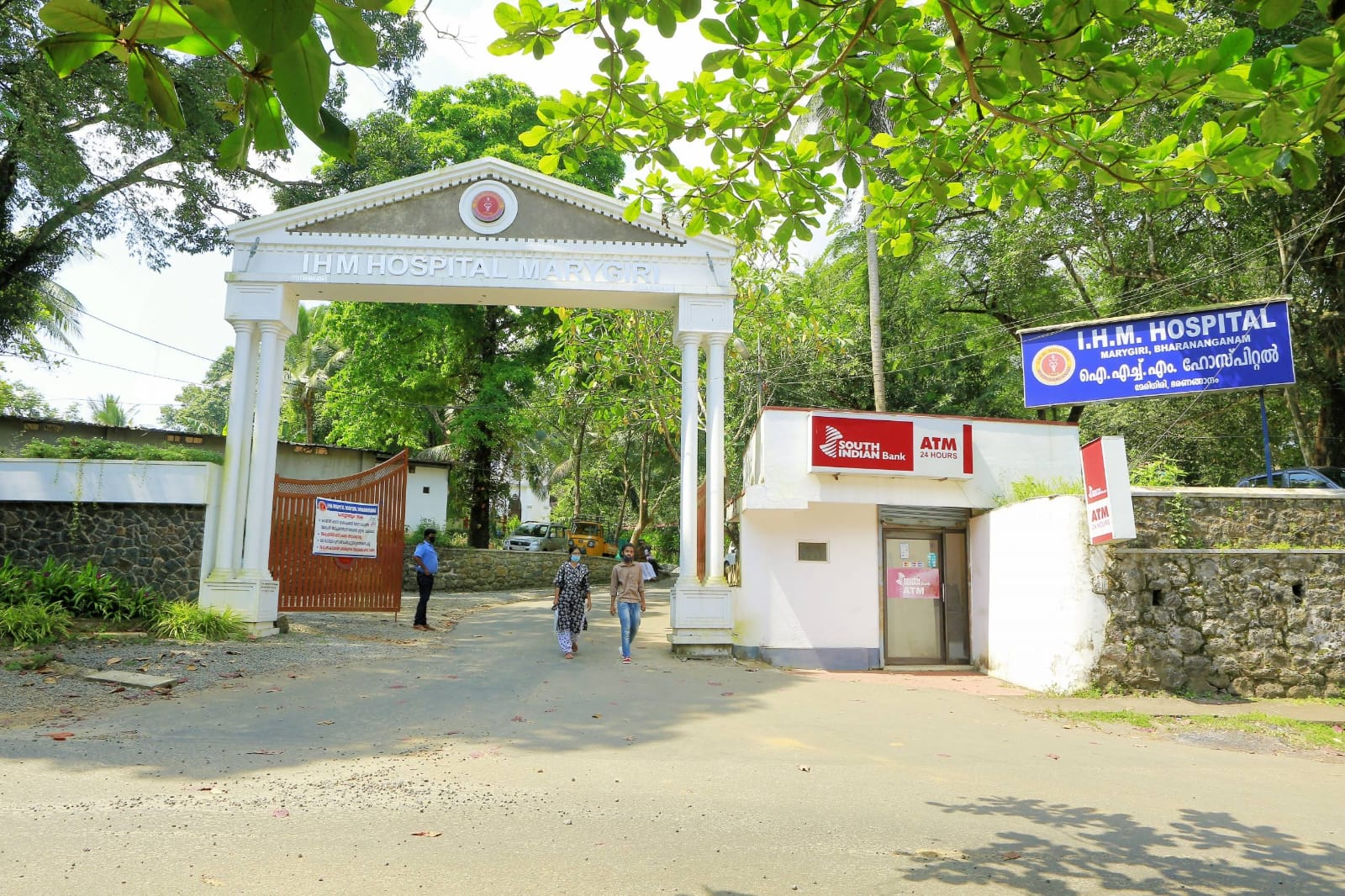
Compassionate Care for Every Family

A new dawn was arisen in the history of Syro-Malabar church and state and central governments of the country, when a twelve bedded catholic mission hospital came into existence on March 19th 1948, in a rural village called Bharananganam. The people around here had no idea about what a mission hospital is and how it functions. It was the fruit of a long-cherished dream of Fr.Sebastian Pinakkatt a diocesan priest, native of Bharananganam to establish a mission hospital in this locality. Hearing about the
excellent professional medical service Sr.Dr.Anna Dengel (foundress of Medical Mission Society) and her sisters are doing for the humanity, he contacted her and after much dialogue and reflection, a daring step was taken by Mother Dengel – decided to start a hospital in Bharananganam. After a few years of preparation by Fr. Sebastian Pinakkatt and Medical Mission Sisters and trusting deeply in God’s providence, they opened a small hospital with 12 beds in Bharananganam. The dream of having a hospital came into a reality. The beginning was humble still a crowning event in the history of church and state. After gaining professional skills and knowledge in nursing from Rawalpindi, Srs.John Kuthivalachel, Francis Pullukattu, Xavier Kunnel and Ann Kayathinkara pioneered the great venture. The hospital is owned and managed by Medical Mission Sisters, an international congregation carrying the charism of Healing, caring the sick and needy regardless of caste, creed, gender, religion or financial status. The congregation being international, the hospital from its very beginning received the support and services of Medical Mission Sisters of different nationalities. It was through the untiring effort of Mother Anna Dengel, along with few other religious– the church changed the canon law and allowed religious to practice medicine – ‘a paradigm shift in the history of the church’.
Soon after independence, the facilities for health care as well as education in the country, especially in villages were very minimum. Poverty, illiteracy, malnutrition, ill health, communicable diseases and epidemics were plenty and the deplorable conditions in the government hospitals could not satisfy this surplus needs. Shortage of medical staff and lack of professional nursing personnel pointed to an immediate intervention in the health field of the state. The establishment of IHM hospital in this remote village of Bharananganam was a spark of hope towards this goal. Just like any other villages in ‘1940’s Bharananganam also didn’t have any facilities, like running water, electricity, transportation, good roads etc. So early days were full of hardships and difficulties yet filled with joys. They could find the God of small things in their daily affaires and struggles. In the beginning Dr.Mathew Pulickan from Erattupetta helped us voluntarily. Dr.Augus Coshan the first resident doctor from Canada took charge in May 1948.
More than the whole hearted support of the Medical Mission sisters’ headquarters and Fr.Sebastian Pinakkattu, hospital captured the interest of the people, church and government. Donations came in as kind and money and slowly this little new born baby started to walk, spreading its hands to take hold of more facilities in structure and services. The local people, Parish, Diocese, state and central governments were there cooperating and collaborating with all
possible activities of the hospital. Each year brought some developments either in the form of buildings or equipment. First general ward with 20 beds capacity was built in 1951 by the help of local people. So, from the very beginning hospital was rightly called as the hospital of the local people.
The hospital from its very start aimed at high standard professional medical services. Mother Dr.Anna Dengel was very particular in this regard and stress was given to professional training to those working in the hospital.
As a response to the health needs of the country, in 1957 an ANM training programme was started in view of upgrading to GNM training school. Not so late, just after three years in 1960, the GNM School was recognized by the state government. In those days there were only one nurse for 43,000 people and the people never had an opportunity to experience professional nursing care. The school has done momentous role in the health history of the nation and the nurses those who have passed out from this nursing school are serving the people of our nation and majority are serving outside of the country. Now our school of nursing has an annual intake of 30 GNM students and 20 ANM students.